Advancing Electrification Through Integrated Research

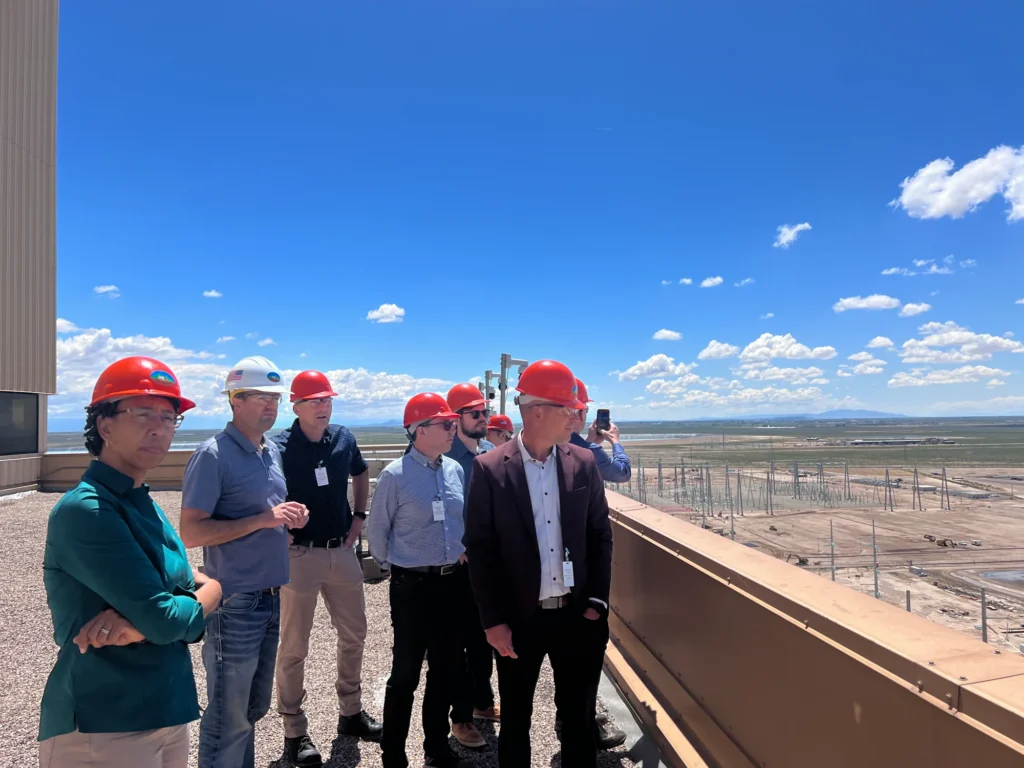
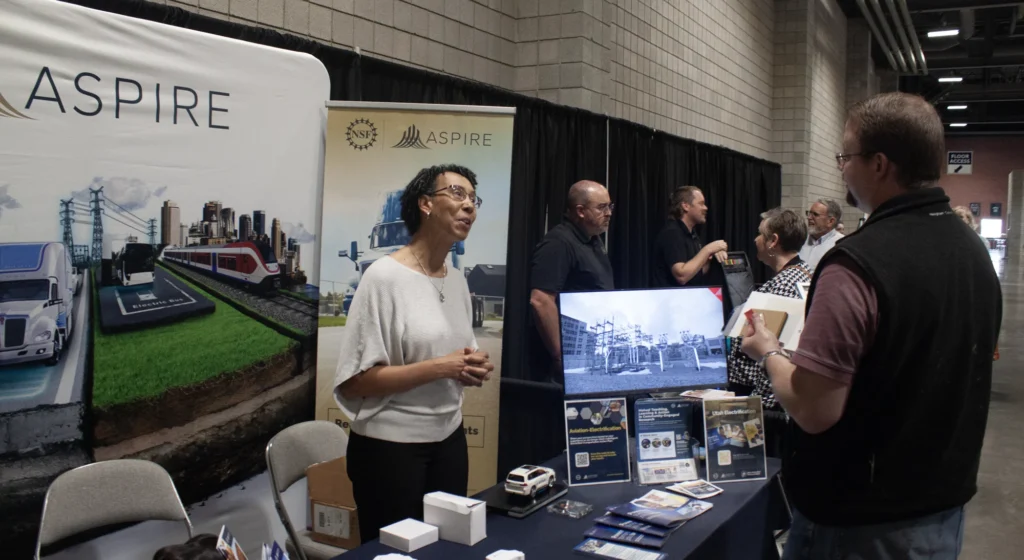
Our approach integrates fundamental research, applied engineering, and real-world validation — ensuring that innovations are not only technically sound, but deployable in complex transportation and energy environments. By aligning research with infrastructure needs and industry priorities, ASPIRE accelerates the path from discovery to implementation.

Core Research Areas

ASPIRE’s research is grounded in the core technical domains that form the foundation of electrified transportation systems. These areas are crucial for innovation across vehicles, infrastructure, and energy networks.

Wireless Power Transfer

Power wireless charging technologies for both stationary and dynamic applications, enabling seamless energy transfer for vehicles in motion and at rest.

Grid Integration

Developing systems that connect transportation electrification with the power grid, supporting reliability, load management, and intelligent energy distribution.

Infrastructure Systems

Engineering scalable charging infrastructure and roadway systems that support widespread electrification across urban and regional networks.

Advanced Power Electronics

Improving the efficiency, performance, and scalability of power conversion systems that underpin electrified transportation technologies.


Research Thrusts

With a focus on high-impact applications and real-world deployment opportunities, ASPIRE has never been afraid to go big. These initiatives integrate multiple core areas to accelerate innovation from the lab to operational environments.

Electrified Freight

Designing and deploying solutions for medium- and heavy-duty electric vehicles, with a focus on performance across varying terrain, climates, and logistics demands. This work draws heavily on advances in wireless power transfer and power electronics to enable scalable freight electrification.

Dynamic Wireless Power Transfer (DWPT)

Enabling continuous, in-motion charging through embedded roadway systems, reducing downtime and extending vehicle range for both passenger and freight applications.

Charging Hubs

Developing high-power, strategically located charging infrastructure to support fleet operations and regional electrification.

Electrified Corridors

Creating connected transportation networks that integrate charging infrastructure, grid systems, and vehicle operations across key routes.

AI-Driven Transportation–Grid Control

Applying advanced data and artificial intelligence to optimize the interaction between electrified transportation systems and the power grid.

Advanced Air Mobility (AAM) Infrastructure

Exploring infrastructure requirements for emerging electrified aviation systems, including charging, grid integration, and operational support.

Student & Workforce Development

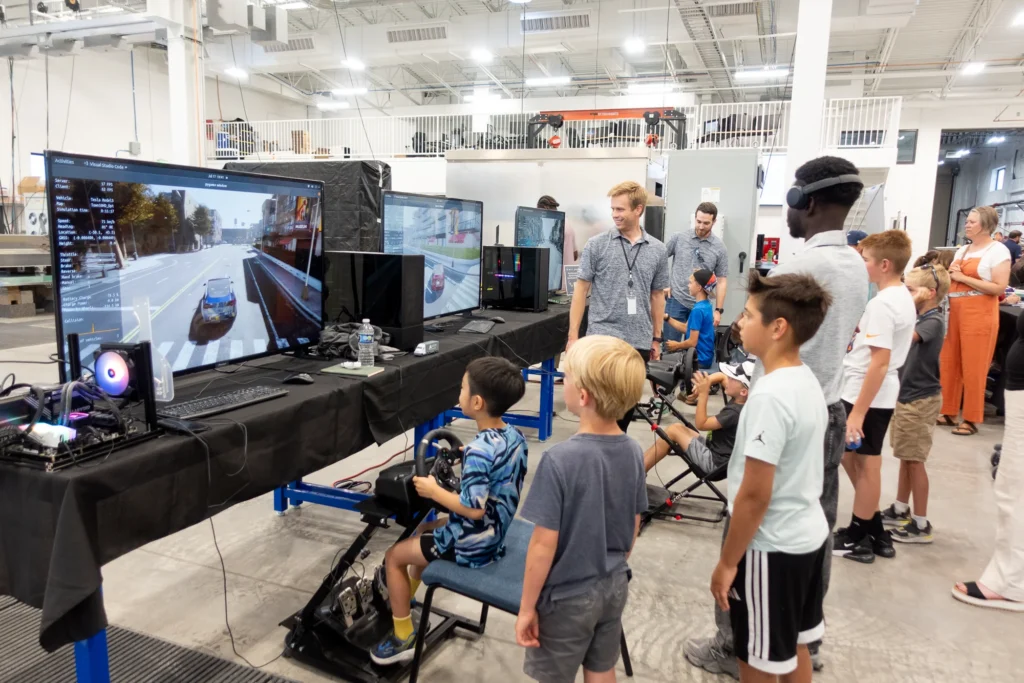
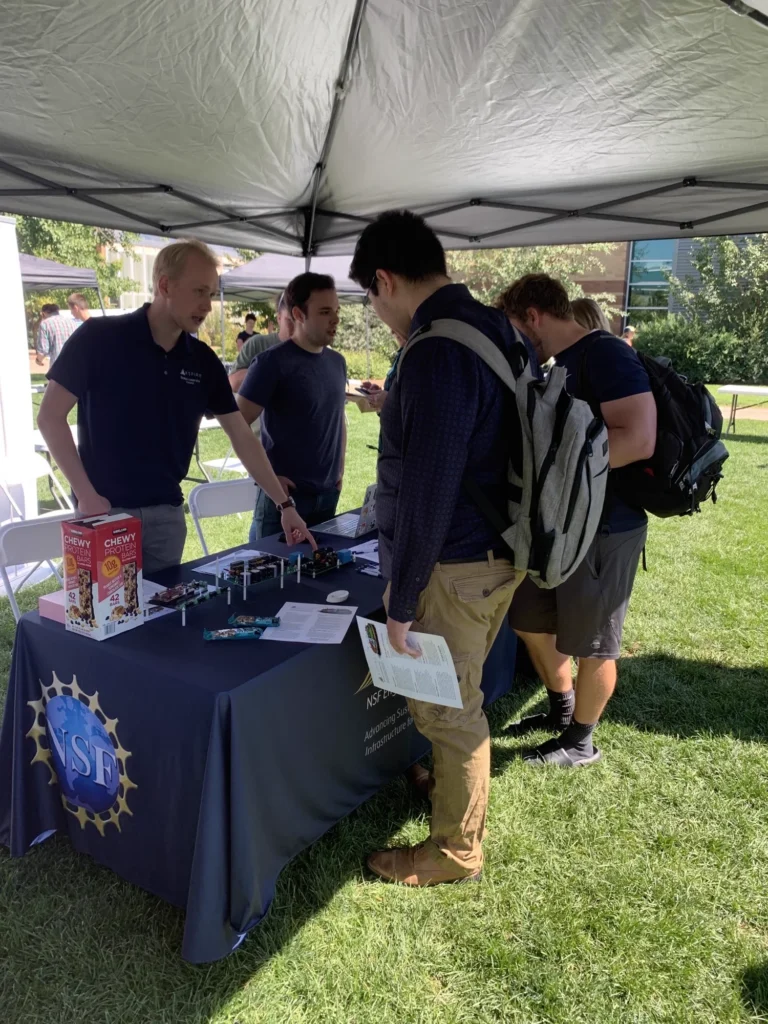
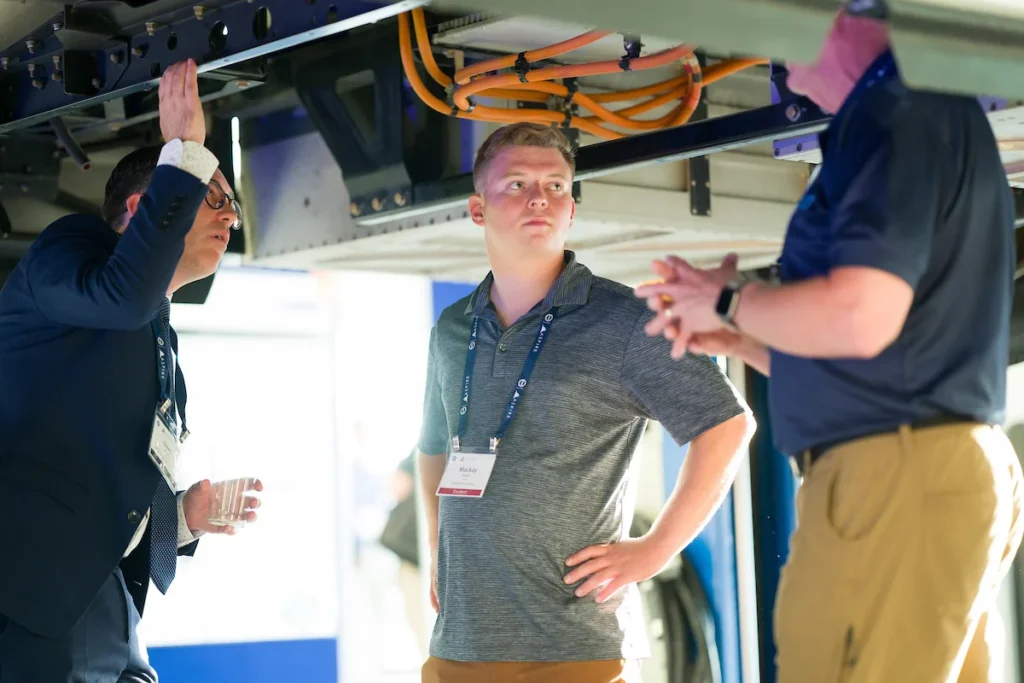
ASPIRE is committed to building the workforce needed to support the future of electrified transportation. Students are embedded throughout the research ecosystem, gaining hands-on experience in developing, testing, and deploying real-world technologies.
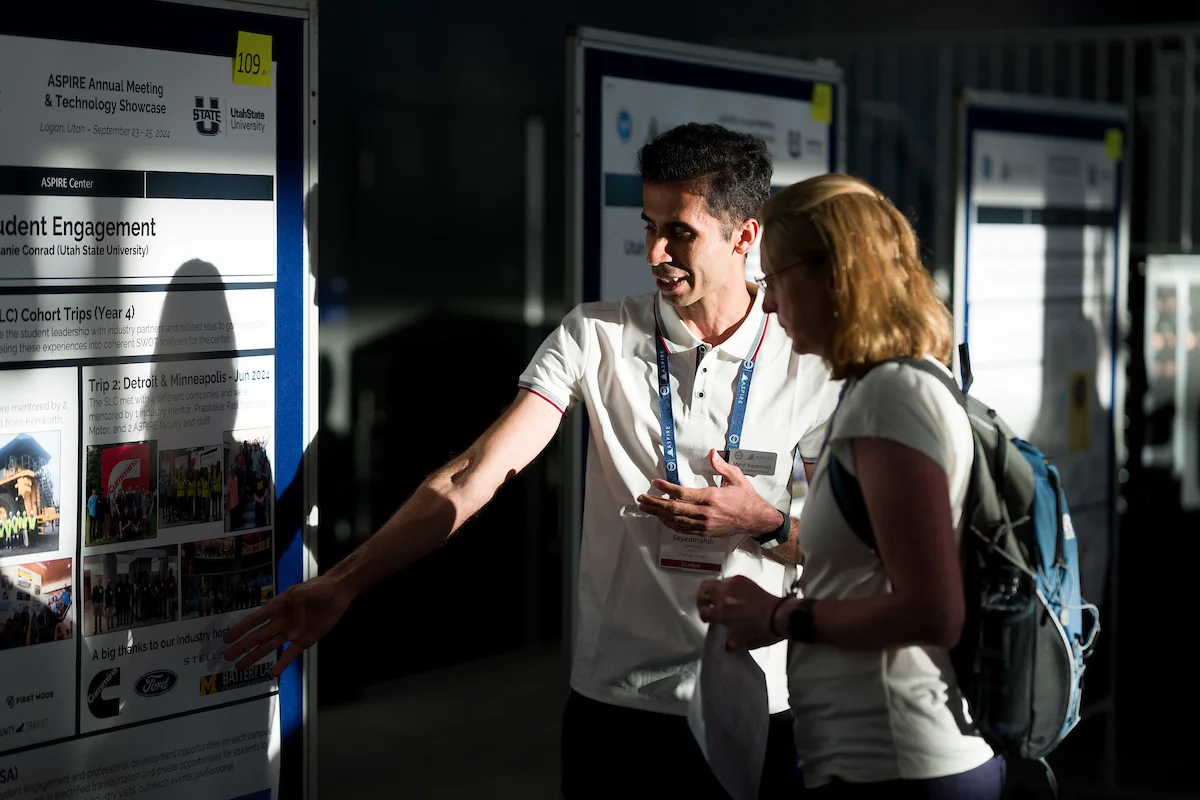
Students participate directly in research projects, working alongside faculty, industry
partners, and national laboratories.

Internships, collaborative projects, and direct industry interaction prepare students to transition into careers across energy, transportation, and infrastructure sectors.

ASPIRE supports a growing pipeline of engineers, researchers, and technical professionals equipped to lead in electrified transportation and grid-integrated systems.

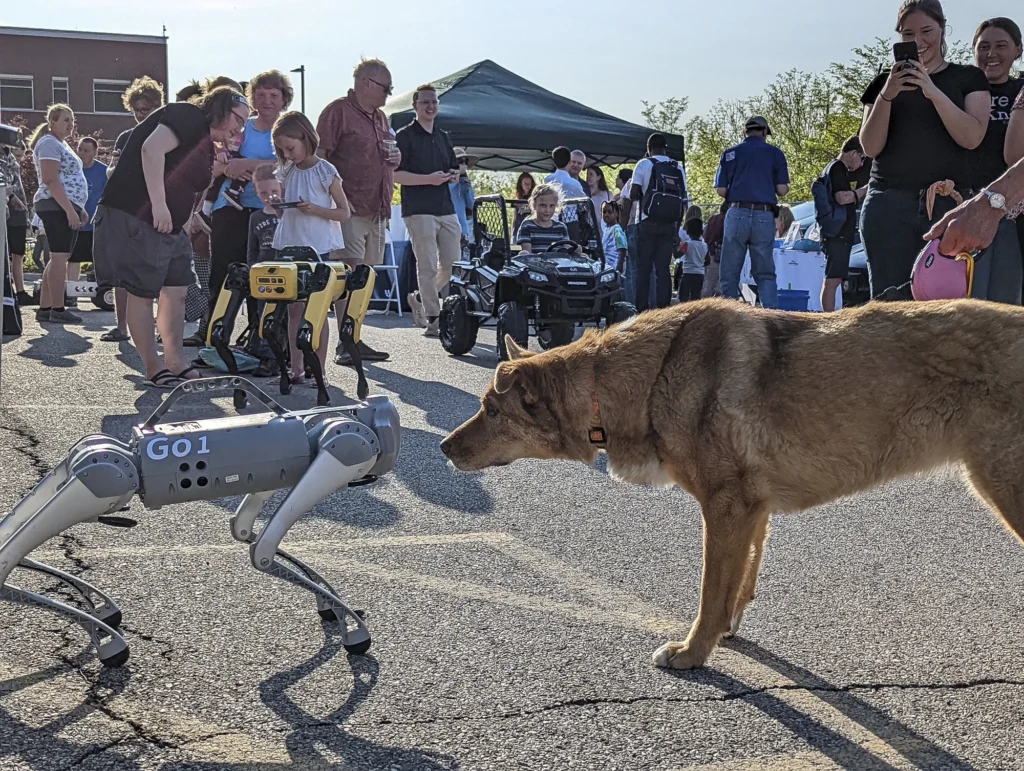
Early engagement initiatives introduce students to electrification concepts and career pathways, helping build long-term awareness and interest in STEM fields.

Man in white polo gestures at an ASPIRE Annual Meeting research poster while a woman with a backpack listens